Yoga Surf Retreats in Portugal for Female Solo Travellers: A Practical Guide
GuidesSurf Camps

Yoga Surf Retreats in Portugal for Female Solo Travellers: A Practical Guide

Surfstore Editorial·November 16, 2026· 10 min read

Portugal's Atlantic coast offers female solo travellers an ideal combination of consistent waves, established yoga communities and a welcoming retreat culture that makes going alone feel surprisingly natural.

Links to BookSurfCamps are affiliate links. If you book through them we may earn a commission at no extra cost to you. Full disclosure

There's something about booking a solo trip that feels both terrifying and liberating. Add surfing and yoga into the mix, and suddenly you're signing up for vulnerability on multiple levels — learning new skills in your body while navigating unfamiliar territory alone. Portugal has quietly become the destination where thousands of women do exactly this every year, and there are good reasons why.

The country's western coastline delivers reliable surf, a deeply rooted yoga scene, and a retreat infrastructure that genuinely caters to solo travellers rather than treating them as an afterthought. Whether you're escaping burnout, marking a life transition, or simply craving adventure without waiting for friends to commit, this guide covers everything you need to know.

Quick answer: Portugal's Ericeira, Peniche and Algarve regions host dozens of yoga surf retreats with strong solo-traveller communities. Spring (April-June) and autumn (September-October) offer the best balance of weather, waves and atmosphere. Most retreats welcome all skill levels, and the solo female traveller demographic is large enough that you'll rarely feel like the odd one out.

Why Portugal Works So Well for Solo Female Travellers

Portugal consistently ranks among Europe's safest countries, with low crime rates and a culture that feels genuinely welcoming rather than merely tolerant of tourists. For women travelling alone, this translates into practical comfort — walking back from dinner after dark, taking public transport, or simply existing without constant vigilance.

The surf and yoga retreat scene here has matured over the past decade. Unlike destinations where retreats feel like isolated bubbles, Portuguese coastal towns integrate visitors into local life. You'll find yourself grabbing coffee at the same spots as residents, shopping at weekly markets, and recognising faces from your retreat around town.

Language and Navigation

English proficiency is high, particularly in tourist areas and among younger Portuguese. Retreat staff, surf instructors and yoga teachers almost universally speak fluent English. Getting around is straightforward — Lisbon's airport connects to most surf towns within 60-90 minutes by bus, shuttle or rental car.

The Solo Traveller Culture

What sets Portugal apart is the sheer volume of solo travellers, particularly women, already doing this. You won't be explaining yourself or fielding concerned questions about travelling alone. The retreats expect solo bookings, structure activities to encourage connection, and understand that many guests arrive specifically seeking solitude mixed with optional community.

Best Regions for Yoga Surf Retreats

Portugal's coastline offers distinct vibes depending on where you land. Your choice should factor in surf experience, preferred atmosphere, and what you want from the non-surf hours.

Ericeira: Europe's Surf Capital

Ericeira holds World Surfing Reserve status — one of only a handful globally — which tells you something about wave quality and consistency. The town itself is a whitewashed fishing village turned surf hub, with cobblestone streets, excellent restaurants, and a concentrated retreat scene.

For beginners, the beaches of Foz do Lizandro and São Julião offer forgiving conditions. More experienced surfers can progress to the famous breaks at Ribeira d'Ilhas and Coxos. The yoga community here is established and diverse, from vinyasa to yin to more therapeutic styles.

Ericeira suits solo travellers who want easy access to Lisbon (45 minutes), a walkable town centre, and plenty of activity outside retreat hours. The concentration of surfers and yogis means spontaneous connections happen naturally — at the surf shop, the açaí bowl spot, the sunset viewpoint.

Peniche and Baleal

Peniche peninsula offers something Ericeira can't: waves on multiple exposures, meaning there's almost always somewhere surfable regardless of swell direction. Baleal, connected to the mainland by a narrow causeway, has become a retreat hotspot with a more laid-back, slightly younger vibe than Ericeira.

The town of Peniche itself is grittier and more authentically Portuguese — a working fishing port rather than a tourist destination. This appeals to travellers who prefer local texture over polish. The famous Supertubos beach hosts professional competitions, but beginners will find gentler options nearby.

For a comprehensive overview of these regions and others, the complete Portugal surf guide breaks down conditions, seasons and what to expect from each area.

The Algarve: Warmth and Variety

Southern Portugal's Algarve coast offers warmer water, more sunshine, and a different landscape — dramatic cliffs, hidden coves, and the famous golden beaches. The surf is generally smaller and less consistent than the central coast, making it particularly suitable for beginners or those prioritising yoga over waves.

Sagres, at the southwestern tip, maintains a more rugged, surf-focused atmosphere despite the Algarve's resort reputation. Lagos and the surrounding area blend beach culture with historic charm. The region suits travellers who want reliable warmth, diverse activities beyond surf and yoga, and perhaps a slightly more relaxed pace.
What to Expect from a Typical Retreat

Yoga surf retreats in Portugal generally follow a recognisable structure, though specifics vary. Understanding the typical format helps you identify what matters most to you when comparing options.

Daily Schedule

Most retreats begin with early morning yoga — often 7-8am to catch the optimal surf window that follows. Breakfast is communal, creating natural opportunities for conversation. Surf sessions typically run mid-morning when conditions and light are favourable, lasting 2-3 hours including transport and instruction.

Afternoons are usually free, allowing for rest, exploration, additional yoga, or simply reading on the terrace. Evening yoga tends toward gentler, restorative practices. Dinner is often included and shared, though some retreats offer flexible meal plans.

Accommodation Styles

Solo travellers typically choose between private rooms (at premium prices), shared rooms with other solo guests, or dormitory-style options. Many retreats thoughtfully match roommates by age range or stated preferences. The shared accommodation model often becomes a highlight rather than a compromise — late-night conversations and morning coffee with someone on a similar journey.

Surf Instruction Approach

Legitimate retreats separate guests by ability level rather than lumping everyone together. Complete beginners should expect beach instruction covering safety, paddling technique, and how to pop up properly before entering the water. Intermediate surfers typically work on wave selection, positioning, and technique refinement.

Group sizes matter significantly. Look for maximum ratios of 4-5 students per instructor in the water. Anything higher compromises both safety and learning.

Yoga Styles Offered

The yoga component varies enormously between retreats. Some emphasise athletic vinyasa flows that complement surfing's physical demands. Others focus on restorative practices, yin yoga, or meditation-heavy programmes. Many blend styles across the week, with energising morning sessions and gentler evening wind-downs.

Consider what your body and mind actually need. If you're arriving depleted and exhausted, a retreat heavy on power yoga and intensive surf sessions might not serve you. If you're seeking physical challenge and energy, too much restorative work could feel frustrating.

Choosing the Right Retreat

With dozens of options across Portugal's coast, narrowing down requires honest self-assessment and careful research.

Questions to Ask Yourself

What's your genuine surf experience? Overstating ability leads to frustration or unsafe situations. What do you actually want from the yoga — physical challenge, stress relief, spiritual practice, or simple stretching? How important is private space versus community immersion? What's your budget reality, including flights, spending money, and any gear you'll need?

Red Flags to Watch

Be wary of retreats with vague instructor credentials, no clear information about group sizes, or stock photography that doesn't match their actual location. Legitimate operations happily answer detailed questions about their programmes. Pressure tactics or limited-time discounts should trigger scepticism.

Reviews from solo female travellers specifically carry more weight than general feedback. Look for mentions of safety, atmosphere, and how well solo guests were integrated.

Questions to Ask Retreats

How many solo travellers typically attend? What's the usual age range and gender split? What are the instructor qualifications and student ratios? What happens if conditions are flat — is there a backup plan? What's included versus extra? Are airport transfers provided?

For browsing options across Portugal and other destinations, the surf camps by destination listings provide a starting point for research.

Free Download

Free Surf Trip Planner - The Best Surf Destination for Every Month

The best surf destination for every month of the year — in one free PDF.

Packing for Your Retreat

Most retreats provide surfboards and wetsuits, but quality varies. Knowing what to bring versus rent makes the experience smoother.

Surf Gear Considerations

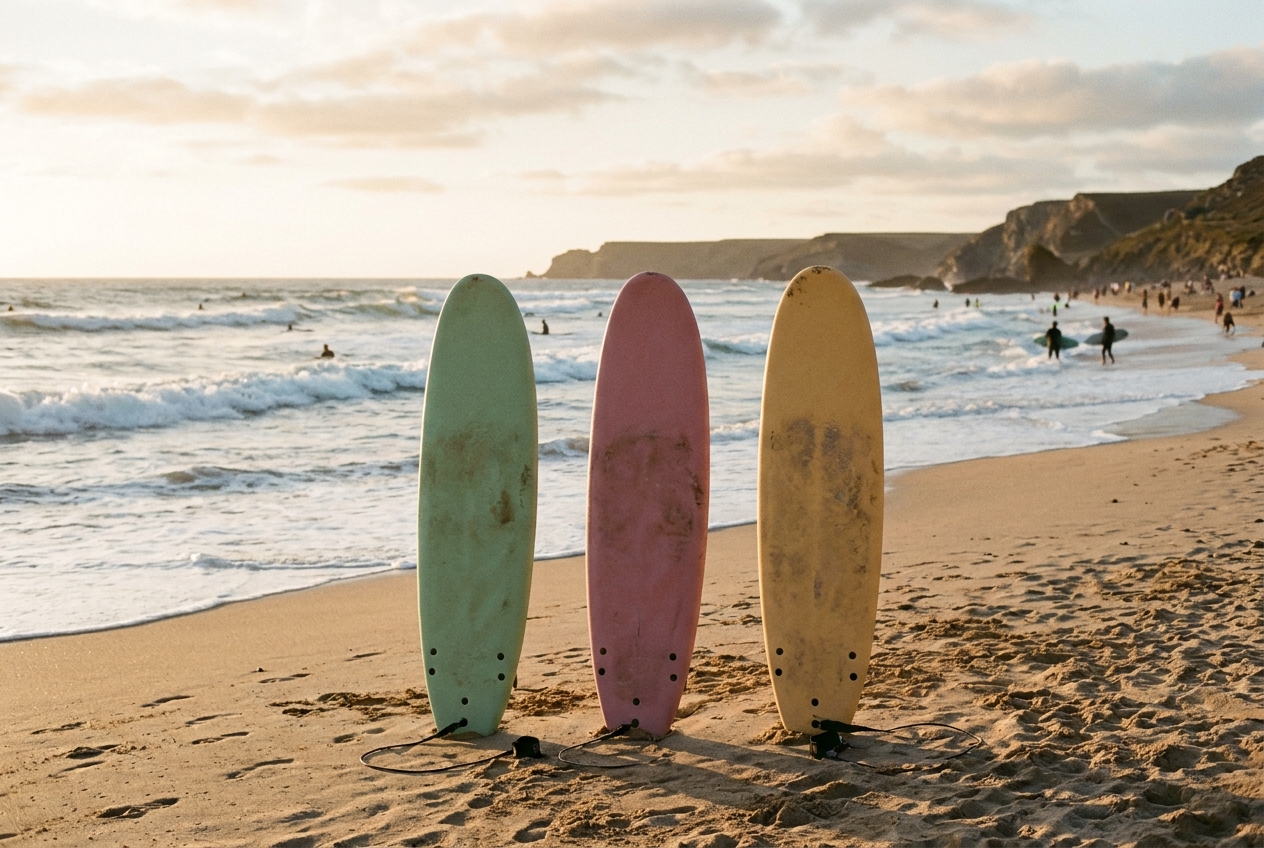
If you're a complete beginner, retreat-provided soft-top boards are ideal — no need to travel with equipment. Intermediate surfers with specific board preferences might consider bringing their own, though airline fees and logistics add complexity.

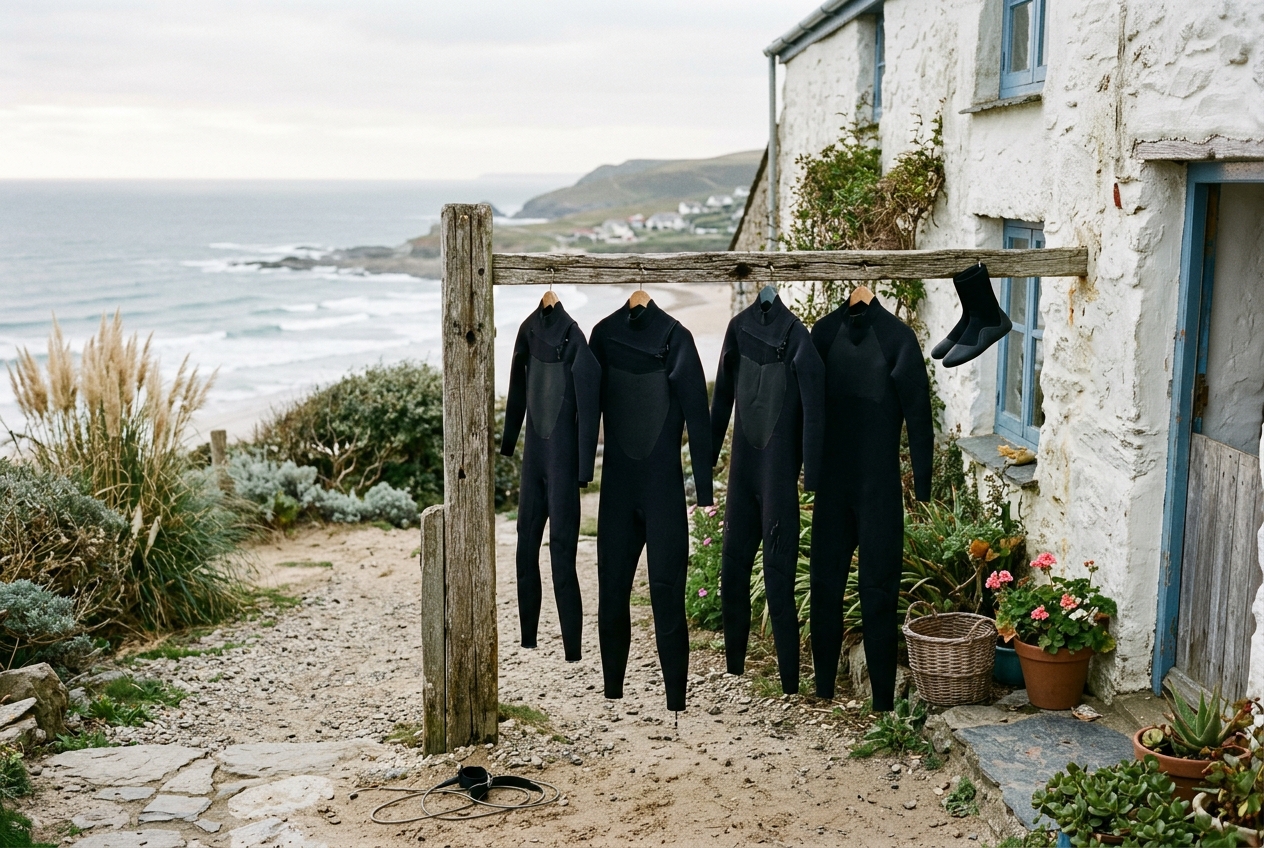
Wetsuits are worth more thought. Retreat-provided suits have been worn by many bodies in varying states of hygiene. If you surf regularly or plan future trips, investing in your own wetsuit makes sense. The wetsuit thickness guide explains what you'll need for Portuguese waters — generally 3/2mm in summer, 4/3mm in spring and autumn, potentially 5/4mm in winter.

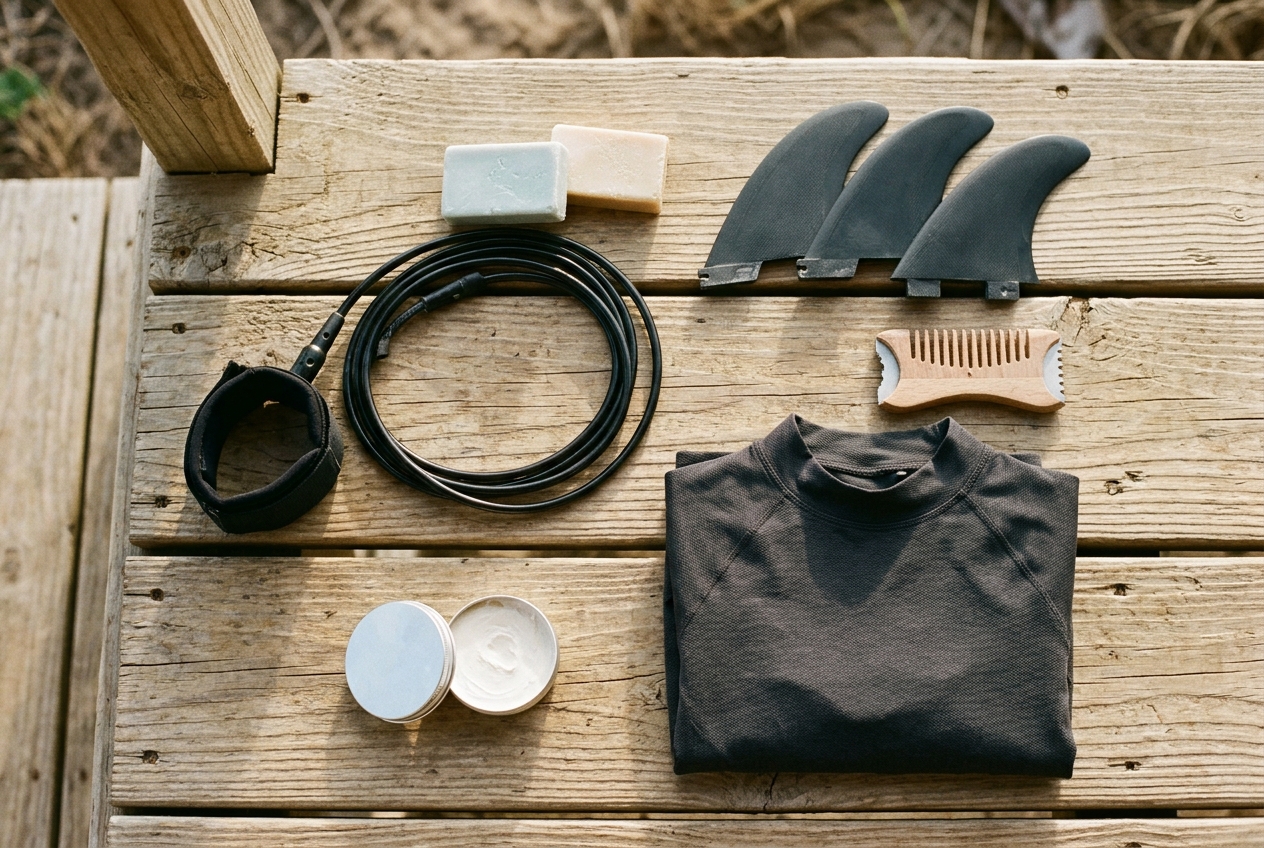
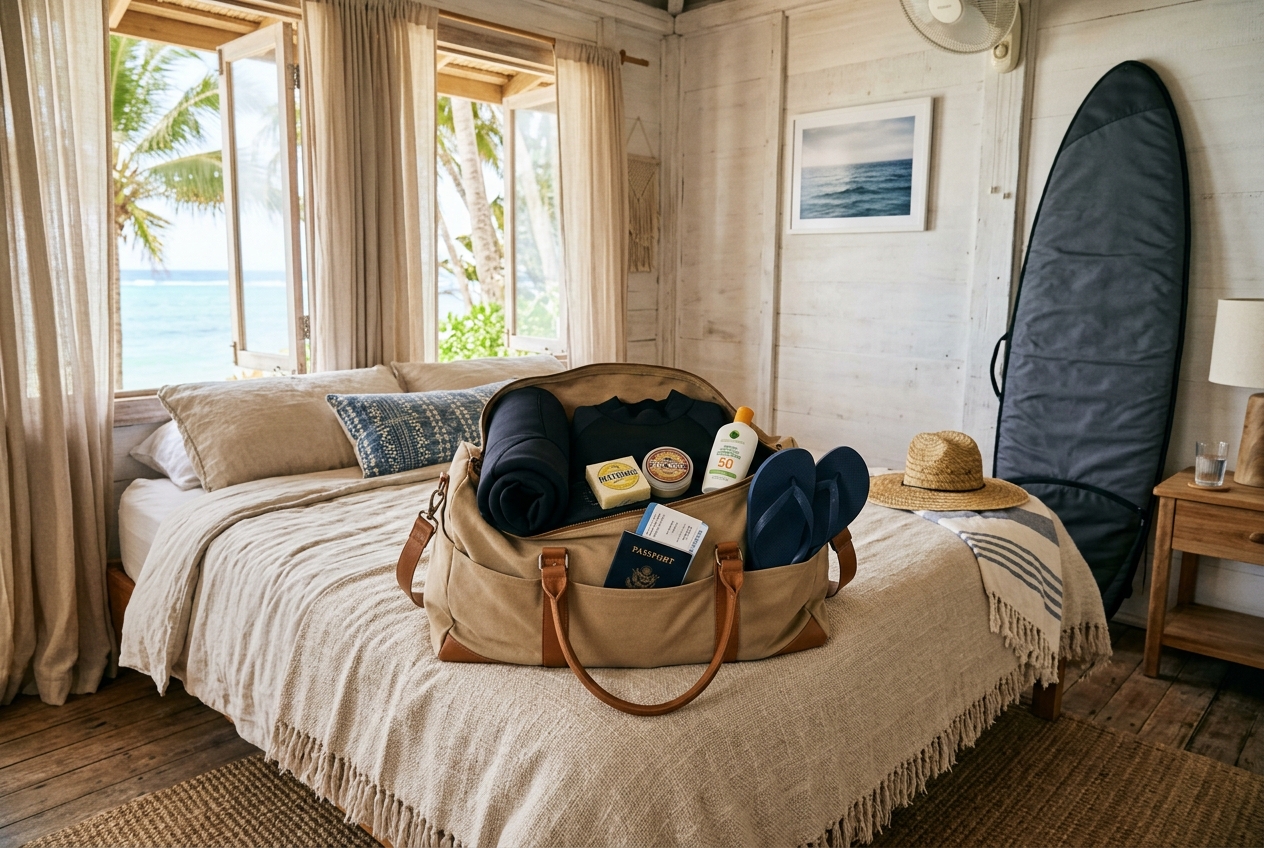
The Portugal surf packing list covers specifics including reef-safe sunscreen, appropriate footwear for rocky entries, and the small items that make a difference.

Yoga and General Items

Most retreats provide yoga mats, but bringing your own travel mat ensures familiarity and hygiene. Layers matter — coastal mornings can be cool even in summer, and evening yoga sessions benefit from a light jumper. Comfortable, modest clothing for town wandering respects local culture while keeping you comfortable.

Safety and Practical Items

Travel insurance covering surf activities is non-negotiable. Standard travel policies often exclude "extreme sports" — read the fine print or purchase specific coverage. A basic first aid kit, any personal medications, and photocopies of important documents round out the essentials.

Best Times to Visit

Portugal's surf and weather patterns create distinct seasons, each with trade-offs.

Spring: April to June

Spring delivers warming weather, manageable swell sizes for learners, and retreats that aren't yet at peak capacity. Water temperatures climb from cool to comfortable. The landscape is green and wildflowers bloom along the clifftops. This period suits beginners and those who prefer smaller crowds.

Summer: July to August

Peak season brings warmest weather and water, longest days, and the most social atmosphere. Waves tend smaller and less consistent, which actually benefits beginners. Retreats fill up and prices peak. Book well in advance if summer is your only option.

Autumn: September to October

Many regular visitors consider autumn ideal. Water retains summer warmth while air cools to comfortable levels. Swells increase, offering more consistent waves with occasional larger days. Crowds thin as European holidays end. The light takes on that golden quality photographers love.

Winter: November to March

Winter brings powerful Atlantic swells — exciting for experienced surfers, potentially intimidating for beginners. Water temperatures drop significantly, requiring thicker wetsuits. Fewer retreats operate, and those that do cater to more committed surfers. Rain is more frequent, though sunny stretches occur.

Building Connection While Maintaining Boundaries

Solo travel offers freedom to engage or withdraw as energy dictates. Retreats create natural social structures, but you control your participation level.

Embracing Community

Shared meals, group surf sessions, and communal spaces foster connection without forcing it. Many solo travellers find their retreat companions become genuine friends — people met at similar life crossroads, sharing vulnerability in the water and on the mat.

The surf learning process itself bonds people. Celebrating each other's first successful rides, commiserating over wipeouts, and sharing the particular exhaustion of a full day creates quick intimacy.

Protecting Your Space

Equally valid is the desire for solitude. Retreats worth attending respect this. Taking meals alone, skipping optional activities, or simply sitting quietly shouldn't require explanation or apology. If a retreat's culture feels pushy about constant togetherness, it might not be the right fit.

Extending Beyond the Retreat

Consider adding days before or after your retreat to explore independently. Lisbon deserves at least a day or two. Sintra's palaces and forests make an easy day trip. The slower pace of solo wandering complements the structured retreat experience.

Physical Preparation

Arriving with some baseline fitness makes the experience more enjoyable and reduces injury risk.

Surf-Specific Conditioning

Paddling demands upper body endurance that catches many beginners off guard. The surf fitness guide outlines exercises that build relevant strength and stamina. Even a few weeks of preparation — swimming, push-ups, core work — makes a noticeable difference.

Yoga Readiness

If you're new to yoga, attending a few classes before your retreat helps. Understanding basic poses and terminology lets you focus on the experience rather than confusion. Most retreat yoga is accessible to beginners, but some familiarity smooths the learning curve.

Free Download

Plan smarter, surf better

Get the free month-by-month Surf Trip Planner plus weekly swell windows.

Making the Decision

If you've read this far, some part of you already knows you want to do this. The practical obstacles — time, money, logistics — are real but surmountable. The emotional obstacles — fear of going alone, uncertainty about ability, worry about fitting in — are universal and almost always smaller than they appear from a distance.

Portugal's yoga surf retreat scene exists precisely because thousands of women before you felt the same hesitation and went anyway. The infrastructure supports you. The community welcomes you. The waves and the practice await.

Start researching specific options, check your calendar for realistic windows, and take the next small step. The version of yourself who's already done this is waiting on the other side.

Recommended Gear for This Trip

What to pack, what to rent and what is worth buying before you go.

All gear guides

Frequently Asked Questions

Surfstore Editorial

Our guides are research-based. We compare public information, organizer details and traveller feedback, and we say clearly when we have not been somewhere ourselves.

We use cookies to analyse traffic and improve your experience. You can accept or reject non-essential cookies. See our Privacy Policy.