The pop up is the gateway skill of surfing: one fluid movement from lying down to standing in your stance. Get it right and everything else follows. Get it wrong and you'll spend months falling off perfectly good waves. Here's the technique surf coaches actually teach, broken into trainable pieces.

GuidesBeginner Tips
How to Pop Up on a Surfboard: The Technique That Actually Works
Maya Torres·June 3, 2026· 6 min read
Master the pop up in a weekend with this step-by-step breakdown used by surf coaches worldwide — including the 3 mistakes that keep most beginners stuck.
Step 1: The Setup Position
Before any pop up, your paddling position must be right. Chest lifted, feet together on the tail, hands flat on the board beside your lower ribs — not up by your shoulders. The board should be planing flat as the wave picks you up. If the nose is digging or the tail is sinking, no pop-up technique will save you.
Step 2: The Push and Slide
As the wave takes you, push your chest up explosively — like a cobra pose with intent. In the same motion, slide your back foot forward onto the tail and drive your front foot through to the centre of the board, landing between your hands. Think "slide", not "jump". Jumping disconnects you from the board; sliding keeps you low and stable.
Free Download
Free Surf Trip Planner - The Best Surf Destination for Every Month
The best surf destination for every month of the year — in one free PDF. Join 12,000+ surfers.
Step 3: The Landing Stance
Land with feet shoulder-width apart, both angled across the board, knees bent deep, weight centred, eyes up and looking down the line — never at your feet. Your front arm points where you want to go. A low, compressed stance survives wobbles; a tall, stiff one doesn't.
The 3 Mistakes Keeping You Stuck
- Going to your knees first. The knee pop-up becomes a habit that's brutal to unlearn. Commit to the full movement from day one, even if you fall more this week.
- Looking down. Your body follows your eyes. Look at the nose of your board and you'll fall over it.
- Popping up too late. Start the movement as soon as you feel the wave accelerate you — hesitation puts you in the steepest part of the wave.
Our tested pick

Imsouane, Morocco4.8(186)
Imsouane Bay Camp
- 60 seconds from Magic Bay
- Longboard heaven
- Fresh seafood dinners
- Board rental included
7 nights from €290
Dry-Land Drills That Build the Muscle Memory
Do 20 pop ups on the floor every morning: chest down, full movement, hold the landing for 3 seconds. Film yourself from the side weekly. Add burpees and cobra push-ups for the explosive strength component. Coaches consistently say students who drill on land progress twice as fast in the water.
Free Download
Plan smarter, surf better
Get the free month-by-month Surf Trip Planner plus weekly swell windows.
Where to Practice: Waves That Teach
The fastest way to lock in your pop up is wave count — and some waves give you ten times more attempts per session. Long, gentle, sandy-bottom waves like Weligama Bay in Sri Lanka or Imsouane in Morocco are famous precisely because beginners get 30-second rides instead of 3-second ones. A week at a dedicated camp with daily coaching typically equals months of weekend self-teaching.
Compare our tested camps
We may earn a commission if you book through these links — at no extra cost to you.
Weligama, South Coast, Sri Lanka4.7(289)
Weligama Surf Lodge
- Mile-long learner bay
- Reef trips for improvers
- Pool & garden
- Ayurvedic spa
7 nights from $350
Recommended Gear for This Trip
What to pack, what to rent and what is worth buying before you go.
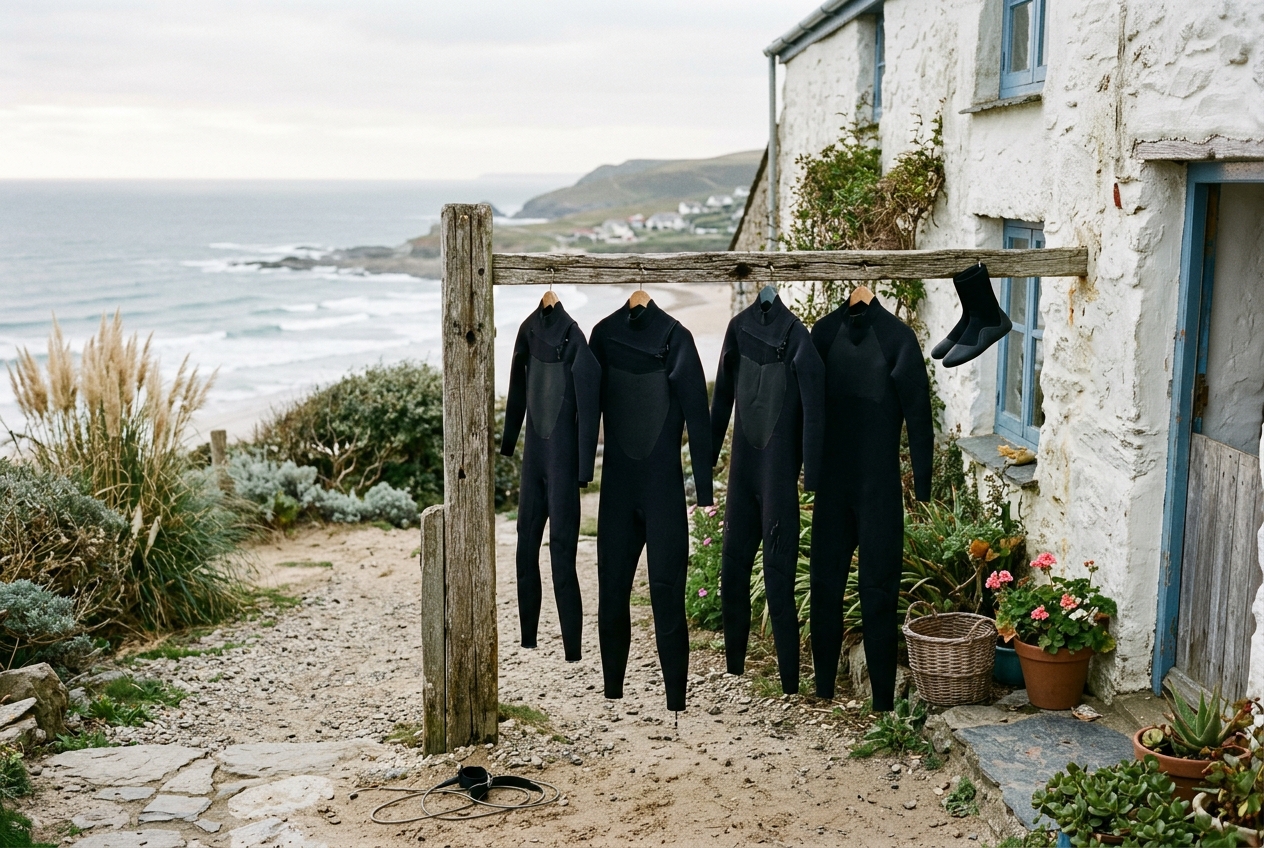 Best Wetsuits for Beginners & Intermediate Surfers (With Thickness Guide)
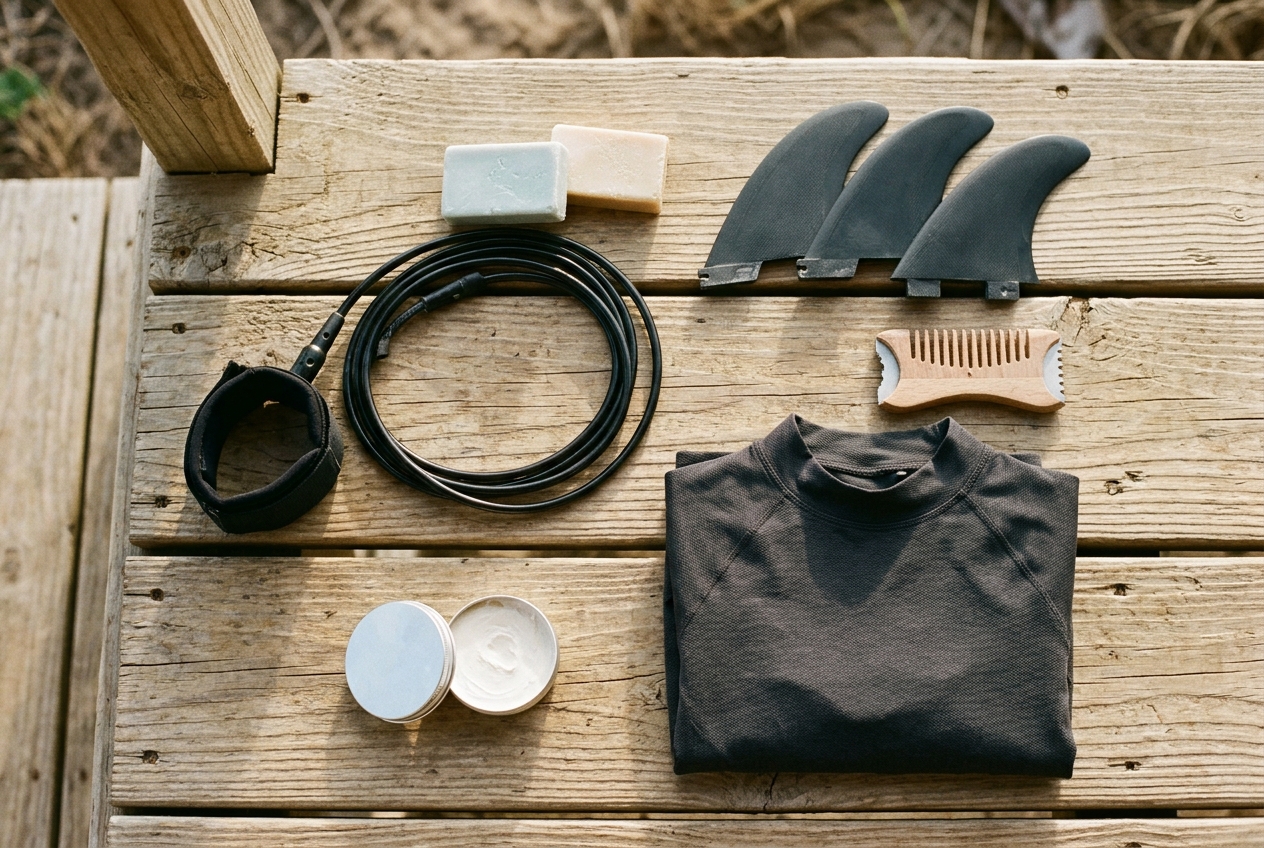 Beginner Surf Setup Checklist: Board, Wetsuit, Leash, Wax & Extras
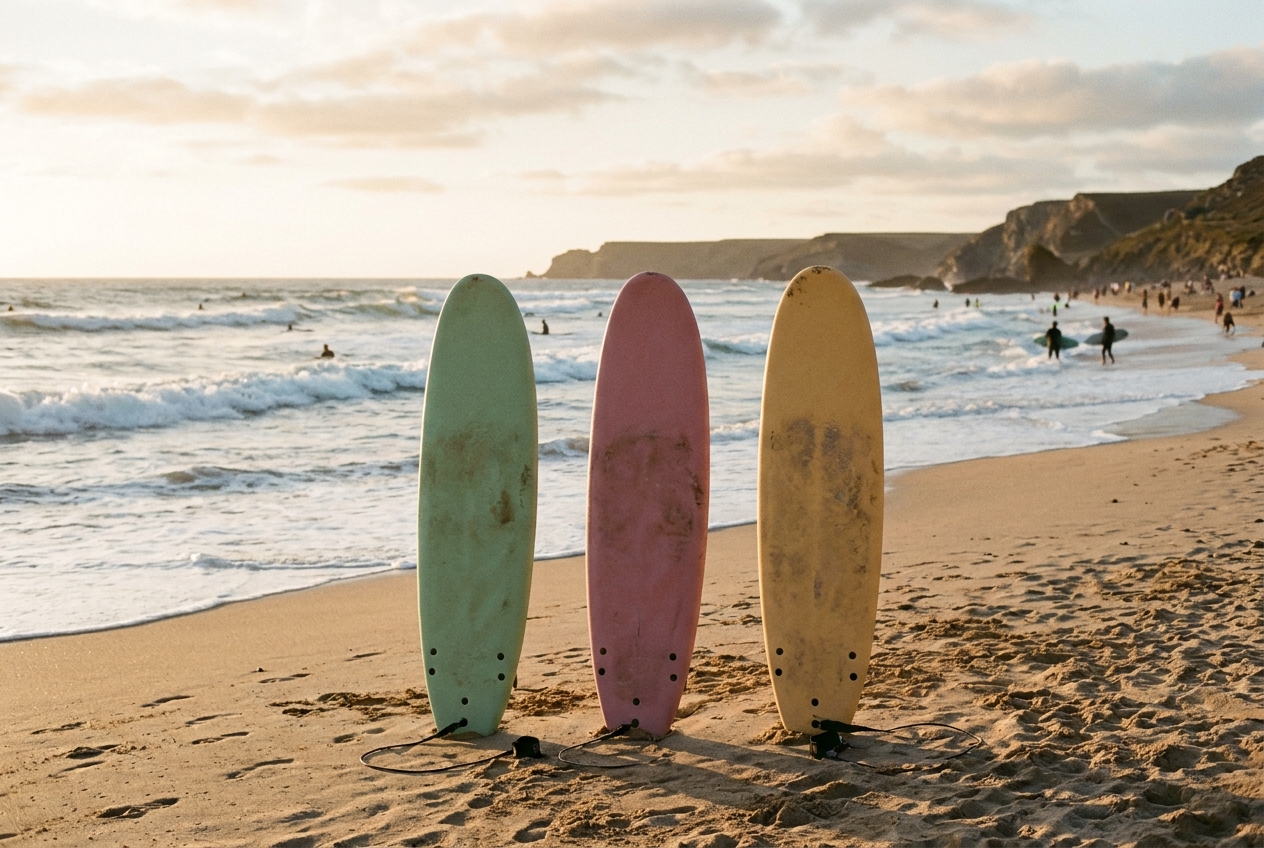 Best Beginner Surfboards 2026: Soft-Tops Worth Buying
- Best Surfboard Leashes: Straight vs Coiled, and What Length to Buy
Frequently Asked Questions
MT
Maya Torres
Founder & Surf Travel Editor
Maya has surfed in 34 countries over 15 years, reviewed 60+ surf camps in person, and now leads the Surfstore.com editorial team. Her mission: zero bad surf trips.