Best Time to Surf Morocco: Agadir vs Taghazout Season Guide
GuidesDestinations

Best Time to Surf Morocco: Agadir vs Taghazout Season Guide

Surfstore Editorial·November 16, 2026· 9 min read

Agadir and Taghazout sit just 20km apart but offer different surf experiences. Here's when to visit each spot based on your skill level and what you want from a Morocco trip.

Links to BookSurfCamps are affiliate links. If you book through them we may earn a commission at no extra cost to you. Full disclosure

Two Moroccan surf towns separated by a short taxi ride, yet the vibe, wave quality and crowd factor couldn't feel more different. Agadir brings city infrastructure, beach breaks and easy airport access. Taghazout delivers world-class point breaks, a laid-back fishing village atmosphere and the kind of right-handers that draw surfers back year after year.

Choosing between them—or figuring out how to combine both—comes down to when you visit, what waves you can handle and whether you want convenience or character. This guide breaks down the seasonal conditions, compares the two towns head-to-head and helps you time your trip for the best possible surf.

Quick answer: October to April delivers the most consistent swell to both Agadir and Taghazout. Intermediates and advanced surfers should prioritise Taghazout for its point breaks. Beginners often find Agadir's beach breaks more forgiving, especially during shoulder season (October-November, March-April) when crowds thin out.

Understanding Morocco's Surf Seasons

Morocco's Atlantic coastline picks up North Atlantic swells that travel thousands of kilometres before wrapping into the bays and points south of Agadir. The consistency and size of these swells follow a predictable annual pattern, making trip planning relatively straightforward once you know what to expect.

Peak Season: December to February

Winter storms in the North Atlantic generate the largest and most consistent swells of the year. Ground swells arrive with long periods, meaning waves have more power and the famous point breaks like Anchor Point and Killer Point come alive. Expect overhead to double-overhead surf on solid days, with occasional XXL swells that max out the spots.

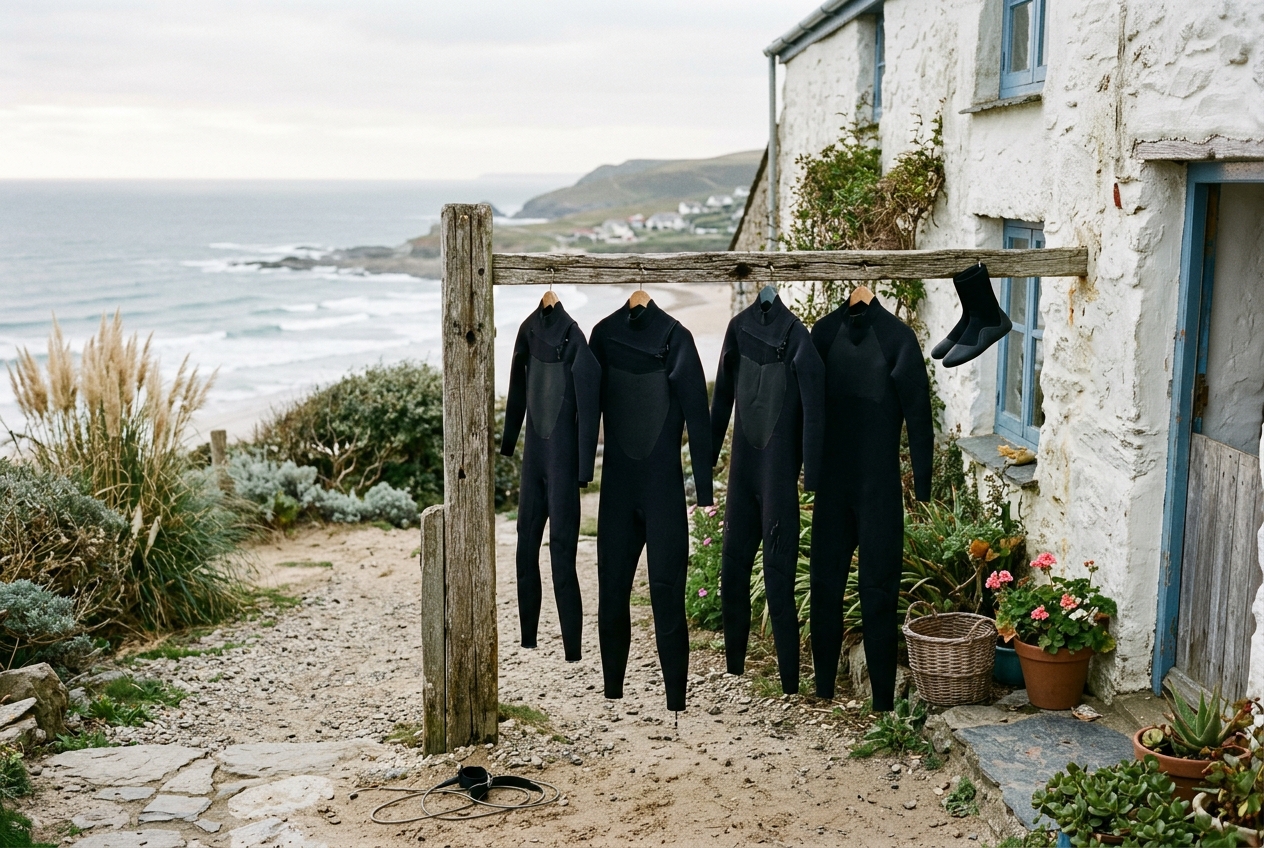
The trade-off is crowds. European surfers flock to Morocco during winter, particularly around Christmas and New Year. Popular breaks get busy by mid-morning, and the best waves attract experienced locals and travelling surfers who know the lineups well. Water temperatures drop to around 16-18°C, so you'll want a 3/2mm wetsuit at minimum, with many surfers opting for 4/3mm on early morning sessions.

Shoulder Season: October-November and March-April

These months offer arguably the best balance of swell consistency, manageable crowds and pleasant conditions. October sees the first proper swells of the season arrive, though they're often smaller and less consistent than mid-winter. By November, the Atlantic has woken up and you can score excellent waves without fighting for every set.

March and April bring the tail end of winter swell combined with warming air temperatures. Water hovers around 17-19°C, and the crowds from peak season have largely dispersed. Late April can get inconsistent, but patient surfers still find quality waves between flat spells.

Off-Season: May to September

Summer brings flat spells, smaller waves and a completely different atmosphere. The Atlantic calms down significantly, and while you might catch occasional windswells or small groundswells, planning a dedicated surf trip during these months is risky. That said, beginners can find mellow conditions perfect for learning, and the empty lineups mean zero competition for waves when they do arrive.

Water warms to 20-22°C by late summer, making a 2mm shorty or spring suit comfortable for most sessions. Air temperatures climb into the 30s, and the tourist focus shifts from surfing to beach holidays.

Agadir: The Urban Surf Hub

Morocco's largest coastal resort city offers something Taghazout can't match: infrastructure. An international airport with direct European flights, a wide selection of hotels at every price point, restaurants serving everything from tagine to pizza, and a long sandy beach that stretches for kilometres.

Waves Around Agadir

The main beach in Agadir is a beach break that works on most swell directions and tide states. It's forgiving for beginners, with sandy bottoms and relatively gentle waves compared to the point breaks further north. When bigger swells hit, the beach break can get powerful and messy, but it rarely reaches the intensity of Taghazout's reef setups.

North of the city, several spots offer more interesting waves for intermediate surfers. Banana Point and Devil's Rock provide alternatives when the main beach is too small or too crowded. These spots require more local knowledge to navigate safely, particularly regarding rocks and currents.

Who Agadir Suits Best

Complete beginners often find Agadir's beach breaks less intimidating than jumping straight into Taghazout's point break scene. The sandy bottom means wipeouts are less consequential, and the wave shape tends to be more forgiving of timing mistakes. If you're still working on your pop-up technique, starting here makes sense.

Agadir also works well for mixed groups where not everyone surfs. Non-surfing partners have plenty to do—markets, restaurants, hammams, day trips to the Atlas Mountains—while surfers can easily access waves without needing a car.

Drawbacks of Basing in Agadir

The city vibe means you lose the immersive surf culture atmosphere. Agadir was rebuilt after a devastating earthquake in 1960, so it lacks the traditional Moroccan architecture found elsewhere. The beach can feel touristy, and the waves simply don't match what's available twenty minutes up the coast.

Serious surfers typically use Agadir as an arrival point, spending a night or two before heading to Taghazout or other coastal villages. The airport convenience is undeniable, but few dedicated surf trips are centred here.

Taghazout: The Point Break Paradise

This former fishing village has transformed into Morocco's surf capital over the past two decades. The coastline north and south of Taghazout holds some of the best right-hand point breaks in the Atlantic, drawing surfers from across Europe and beyond.

The Famous Breaks

Anchor Point sits at the northern end of Taghazout and delivers long, walling right-handers on solid swells. When it's working, waves can run for 200+ metres, offering multiple sections and the kind of rides that define a surf trip. It needs a decent swell to break properly and handles size well, but it's not a beginner wave by any stretch.

Hash Point, directly in front of the village, offers a more accessible right-hander that works on smaller swells. It's still a point break over rocks, so intermediate skills are required, but it's less intense than Anchor and provides an excellent stepping stone for surfers developing their abilities.

Other spots in the area—Panoramas, Mysteries, Killer Point, Boilers—each have their own character and requirements. For a deeper look at the full setup, the Morocco surf guide covering Taghazout breaks down each wave in detail.

The Village Atmosphere

Taghazout has retained much of its fishing village character despite surf tourism growth. Narrow streets wind between traditional buildings, rooftop cafes overlook the breaks, and the pace of life remains distinctly Moroccan. It's a place where you can watch the surf while drinking mint tea and scramble down to the water within minutes when conditions improve.

Accommodation ranges from basic guesthouses to comfortable surf-focused lodges. Most surfers stay within walking distance of Hash Point, making dawn patrols and evening sessions easy to manage. For those looking at organised options, the surf camps by destination page lists what's available.

Who Taghazout Suits Best

Intermediate to advanced surfers get the most from Taghazout. The point breaks reward proper wave selection, solid bottom turns and the ability to read sections ahead of you. If you can confidently handle shoulder-high waves, trim along the face and perform basic manoeuvres, you'll find plenty to work with.

The village also appeals to surfers seeking immersion. Without the distractions of a city, the focus naturally shifts to surfing, eating, recovering and surfing again. It's easy to fall into a rhythm that revolves entirely around tide charts and swell forecasts.

Drawbacks of Basing in Taghazout

Beginners can feel out of their depth. While some gentler waves exist nearby, the main attractions require skills that take time to develop. Starting a surf journey here can be frustrating if you're constantly watching waves you can't yet ride.

Infrastructure is limited compared to Agadir. The village has grown considerably, but you won't find the same restaurant variety, nightlife options or backup activities for flat days. Some surfers love this simplicity; others find it limiting after a week or two.
Free Download

Free Surf Trip Planner - The Best Surf Destination for Every Month

The best surf destination for every month of the year — in one free PDF.

Head-to-Head Comparison

Wave Quality

Taghazout wins decisively. The point breaks offer wave quality that Agadir's beach breaks simply can't match. If riding long, peeling rights is your goal, there's no contest.

Beginner Friendliness

Agadir takes this category. Sandy bottoms, gentler waves and easier access make the learning curve less steep. Beginners in Taghazout often end up at nearby spots like Tamraght beach rather than the main points.

Crowd Factor

Both get busy during peak season, but Taghazout's point breaks concentrate surfers onto specific takeoff zones, intensifying the competition. Agadir's beach break spreads crowds along a longer stretch, though popular peaks still attract attention.

Convenience and Access

Agadir has the airport, the transport links and the urban amenities. Taghazout requires a taxi or transfer from the airport, and once there, you're in a village environment. For short trips, Agadir's accessibility matters; for longer stays, Taghazout's focused atmosphere often wins out.

Value for Money

Taghazout generally offers better value for surf-focused travellers. Accommodation is often cheaper than Agadir's resort hotels, and you're paying for proximity to world-class waves rather than city conveniences you might not use.

Planning Your Trip: Practical Considerations

Packing for Morocco

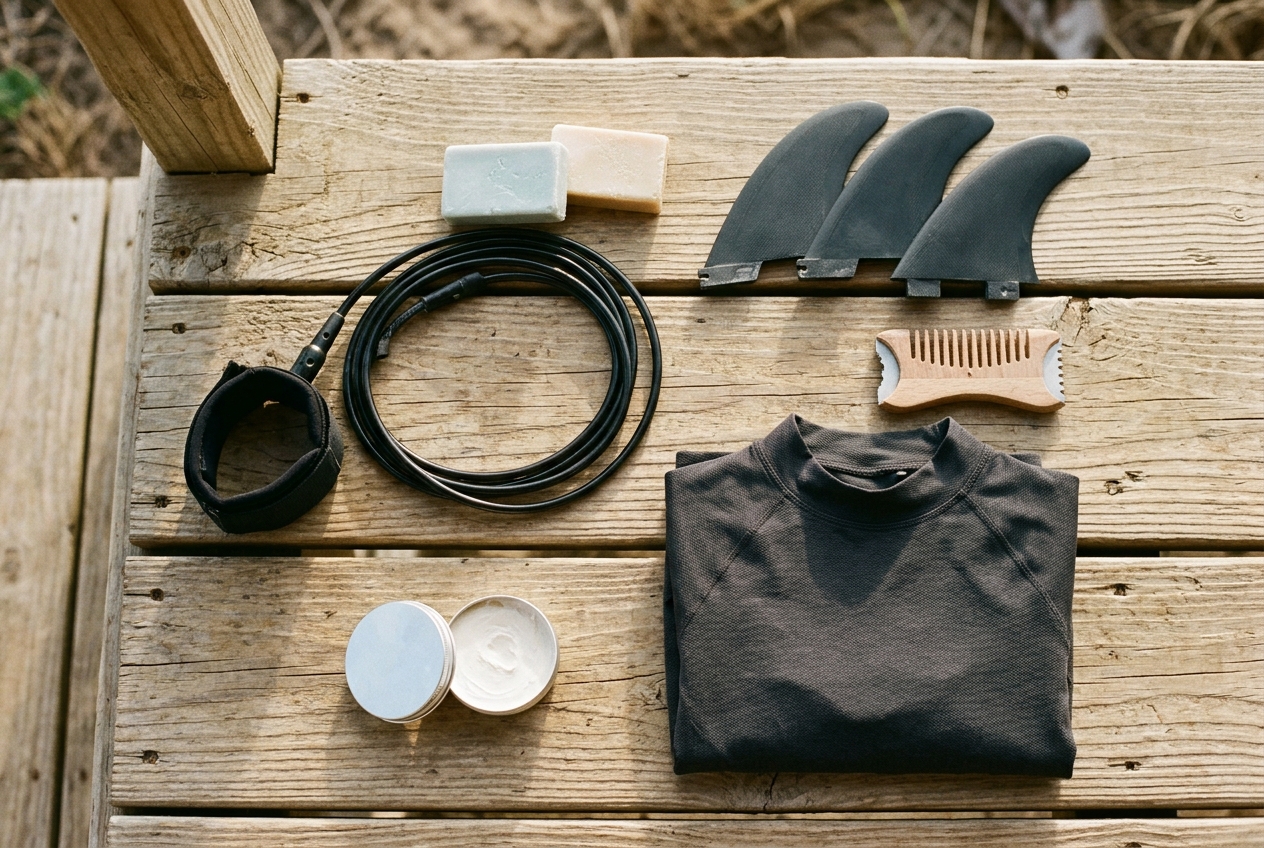
The Morocco surf gear packing list covers everything in detail, but key items include a 3/2mm or 4/3mm wetsuit for winter, reef booties for rocky entries, and sun protection for the strong North African sun. Bring your own surf wax and accessories as quality can be inconsistent locally.

Board Selection

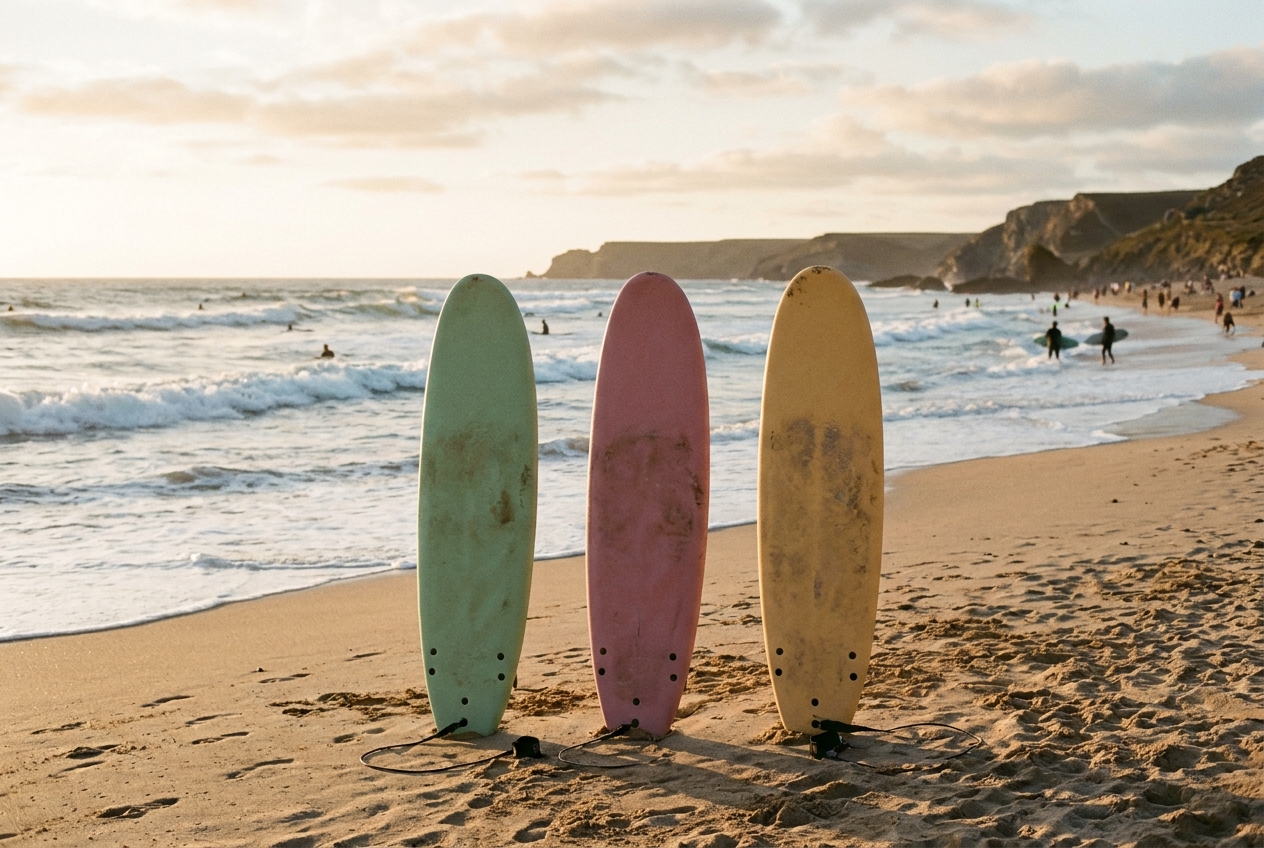
Morocco's points reward boards that generate speed and hold in the face. Mid-lengths, fish shapes and performance shortboards all work well depending on your level. Beginners should stick with the soft-tops and foamies that make learning safer and more fun.

Getting Around

Taxis between Agadir and Taghazout are cheap and readily available. Many surfers hire a car to access the full range of breaks along the coast, which opens up spots that are harder to reach otherwise. During peak season, having your own transport means you can chase the least crowded option each day.

Combining Both Towns

A sensible approach for first-time visitors is to spend a night or two in Agadir upon arrival, get oriented and perhaps take an introductory lesson on the beach break. Then move to Taghazout for the main portion of your trip, returning to Agadir the night before your flight for convenience.

Month-by-Month Breakdown

October

Early season swells begin arriving. Crowds are minimal, water is still relatively warm from summer, and you can score uncrowded sessions at spots that become packed by December. Inconsistency is the main risk—you might hit a flat spell.

November

Swell consistency improves significantly. Many experienced surfers consider this the sweet spot: good waves, manageable crowds, pleasant weather. Book accommodation in advance as word has spread about November's quality.

December

Peak season begins. Swells are larger and more frequent, but so are the crowds. The Christmas period is particularly busy, with European school holidays bringing families and groups.

January and February

The most consistent months for swell, with regular overhead-plus days. Cold water and air temperatures mean full wetsuits are essential. Crowds remain high, particularly at weekends when Moroccan surfers from Casablanca and Rabat make the trip south.

March

Late-season swells continue while crowds begin thinning. Water starts warming slightly, and the days lengthen. An excellent month for those who can't travel during winter.

April

The season winds down. Swells become less reliable, but empty lineups and warming conditions make any waves you do score feel special. A gamble, but one that often pays off.

Free Download

Plan smarter, surf better

Get the free month-by-month Surf Trip Planner plus weekly swell windows.

Making Your Decision

The choice between Agadir and Taghazout ultimately depends on what you want from your trip. If you're learning to surf, travelling with non-surfers, or prioritising convenience, Agadir provides a comfortable base with accessible waves. If you're an intermediate or advanced surfer seeking quality point breaks and an immersive surf village experience, Taghazout is the clear choice.

Timing matters more than location in many ways. A November trip to either town will likely deliver better surf than a July trip to the other. Plan around the October-April window, match your destination to your skill level, and you'll find Morocco delivers exactly what its reputation promises—consistent waves, warm hospitality and the kind of right-hand points that make the Atlantic coast famous.

Recommended Gear for This Trip

What to pack, what to rent and what is worth buying before you go.

All gear guides

Frequently Asked Questions

Surfstore Editorial

Our guides are research-based. We compare public information, organizer details and traveller feedback, and we say clearly when we have not been somewhere ourselves.

We use cookies to analyse traffic and improve your experience. You can accept or reject non-essential cookies. See our Privacy Policy.